Tonometer Price in India: The Complete Buyer’s Guide to IOP Measurement Devices
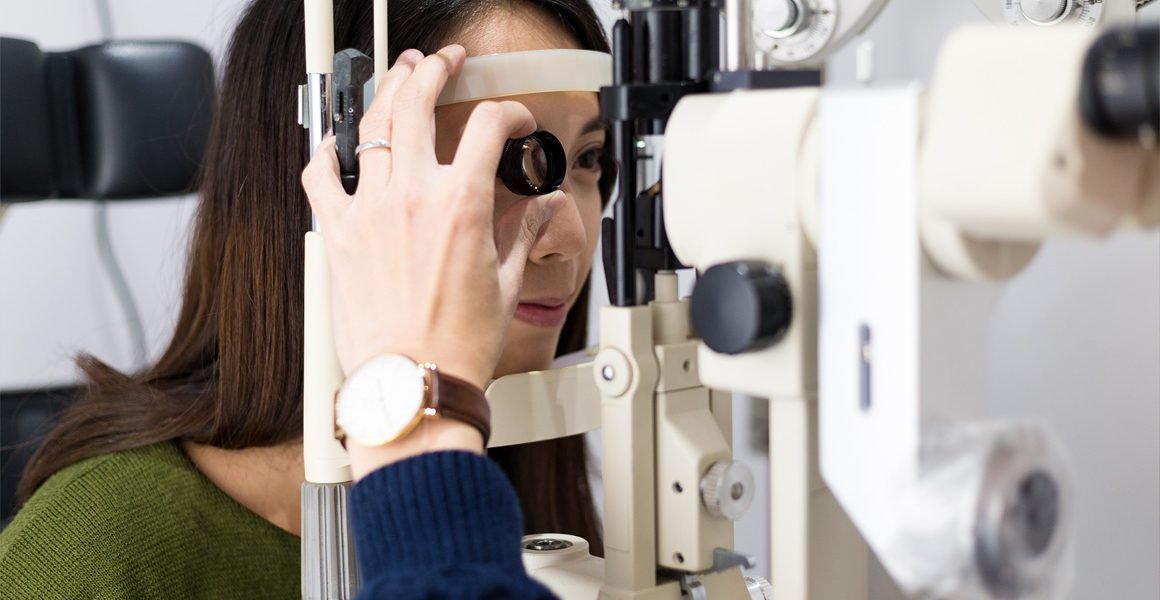
Accurate measurement of intraocular pressure (IOP) is the cornerstone of glaucoma screening and routine ophthalmic examinations. With glaucoma acting as a leading cause of irreversible blindness worldwide, the diagnostic reliability of your clinic’s tonometer directly dictates patient outcomes. However, as patient volumes expand and clinical workflows diversify into mobile screening camps and specialized pediatric units, relying on a single traditional IOP measurement method is often no longer sufficient.
Today, ophthalmologists and hospital procurement directors have access to a vast spectrum of tonometry technologies—ranging from traditional indentation and applanation tools to advanced automated air-puff and transpalpebral devices. Navigating this equipment landscape requires a deep understanding of clinical applications, patient comfort, infection control, and capital expenditure.
When evaluating the tonometer price in India, enterprise buyers must look beyond the initial sticker cost and consider the Total Cost of Ownership (TCO), disposable consumable requirements, and patient throughput speed. As Eastern India’s premier medical equipment supplier for over 27 years, Mediscience Devices provides this definitive B2B procurement guide to help you compare the industry’s leading IOP measurement devices and select the perfect configuration for your practice.
Understanding Tonometer Eye Pressure Dynamics
The fundamental clinical objective of any tonometer is to measure tonometer eye pressure accurately, ensuring that elevated IOP is detected long before optic nerve damage occurs. The methodologies used to measure this pressure fall into distinct categories, each tailored to specific clinical environments:
Contact Tonometer Systems: These devices (including Goldmann and Schiotz) require topical anesthesia and direct contact with the cornea. They are widely considered the clinical gold standard for accuracy but require higher patient cooperation and strict sterilization protocols.
Non Contact Tonometer (NCT) Systems: Utilizing a controlled pulse of air to flatten the cornea, these systems require no anesthesia and eliminate the risk of cross-contamination, making them ideal for high-volume rapid triage.
Rebound & Transpalpebral Systems: These highly mobile, handheld tonometer platforms measure IOP via micro-rebound physics or through the eyelid, providing unmatched versatility for bedridden patients, pediatric screening, and outreach camps.
The Top 5 Tonometers for Modern Ophthalmology
To assist hospitals and private clinics in building a versatile diagnostic suite, Mediscience Devices highlights five distinct IOP measurement systems, spanning traditional mechanics to cutting-edge wireless digital arrays.
1. Rexxam Shin-Nippon NCT-200 Non-Contact Tonometer
For busy hospital Outpatient Departments (OPDs) requiring rapid, hygienic screening without anesthetic drops, the Rexxam NCT-200 represents the pinnacle of automated desktop tonometry.
Clinical Mechanics: This premium non contact tonometer utilizes a newly developed Smart Puffing Control (S.P.C) engine. It instantly adjusts the air pressure to match the patient’s individual IOP, ensuring an exceptionally soft and quiet air puff that minimizes patient anxiety.
Workflow Efficiency: Features a motorized 3D auto-alignment and auto-shot function. The integrated 5.7-inch color LCD monitor tilts and swivels, allowing the operator to stand to the side and support the patient during measurement.
Key Specs: Includes automatic IOP correction based on central corneal thickness (CCT) inputs and safety stopper functions to prevent accidental corneal contact.
Target Application: High-volume eye hospitals, multi-specialty clinics, and dedicated glaucoma screening bays.
2. Keeler TonoCare Wireless Handheld Tonometer
When a clinical setup requires the hygienic benefits of air-puff tonometry but demands the mobility of a portable device, the Keeler TonoCare bridges the gap flawlessly.
Clinical Mechanics: The TonoCare is a revolutionary handheld tonometer that utilizes non-contact air-puff technology. It delivers accurate IOP readings without ever touching the corneal surface, eliminating the need for sterile disposable probes.
Portability & Build: Completely wireless and ready to use in less than 10 seconds. It captures readings for both eyes in under 30 seconds from a comfortable 11 mm working distance.
Key Specs: Comes with a dedicated docking station featuring an integrated thermal printer and a unique ‘test eye’ for operator training.
Target Application: Pediatric wards, wheelchair-bound patients, intensive care units (ICUs), and multi-room clinical practices.
3. Suoer Rebound Tonometer SW-500 (Portable, Wireless, Digital)
For outreach camps and rapid triage, rebound tonometry offers a highly accurate, patient-friendly alternative to traditional applanation. The Suoer SW-500 is a globally recognized digital rebound system.
Clinical Mechanics: When the disposable micro-probe contacts the cornea, the device calculates IOP based on the deceleration speed of the probe’s rebound. Because the contact is instantaneous and microscopic, it requires absolutely no topical anesthesia.
Workflow Efficiency: This lightweight handheld tonometer features vertical and horizontal measurement modes, allowing clinicians to measure tonometer eye pressure on patients in a supine (lying down) or seated position.
Key Specs: Features an internal memory for bilateral data storage, self-calibration protocols, and wireless data output to an optional pocket printer.
Target Application: Rural eye screening camps, mobile ophthalmic vans, and clinics seeking a rapid screening tool for uncooperative patients.
4. ELAMED Transpalpebral Digital Pocket Tonometer TVGD-01
The ELAMED TVGD-01 introduces a radical shift in IOP measurement by eliminating corneal contact entirely, providing a safe alternative for patients with complex corneal pathologies.
Clinical Mechanics: This transpalpebral tonometer measures IOP through the upper eyelid. It completely bypasses the cornea, meaning it requires no anesthesia and carries zero risk of corneal cross-infection.
Specialized Use Cases: It is invaluable for taking measurements on patients with viral conjunctivitis, severe dry eye syndrome, corneal edema, or those who have recently undergone corneal surgeries (like LASIK or keratoplasty) where standard tonometry is contraindicated.
Key Specs: Weighs only 90 grams and operates on standard batteries, capable of performing over 30,000 measurements on a single charge.
Target Application: Post-surgical care, emergency rooms, home monitoring for advanced glaucoma patients, and contact lens wearers (IOP can be measured without removing lenses).
5. Biro Germany / Riester Schiotz Tonometer
For budget-conscious setups, medical colleges, and remote primary care centers, the Riester Schiotz Tonometer remains a highly dependable, traditional mechanical instrument.
Clinical Mechanics: This is a classic impression-based contact tonometer. It measures the depth of corneal indentation produced by a known weight.
Durability: Manufactured with high-grade German stainless steel and featuring a jeweled agate bearing, it ensures long-lasting mechanical precision without the need for electricity or digital batteries.
Target Application: Medical student training, highly remote rural healthcare outposts, and budget-restricted primary triage centers.
Financial Analysis: Evaluating Tonometer Price in India
When clinical directors evaluate the tonometer price in India, they must map the initial capital expenditure (CapEx) against daily patient throughput and recurring consumable costs.
The Desktop NCT Investment: While an advanced non-contact tonometer like the Rexxam NCT-200 requires a higher initial capital outlay, its operational cost is near zero. It uses no disposable probes, no fluorescein strips, and no anaesthetic drops, drastically reducing long-term recurring expenses while accelerating patient triage.
The Handheld Rebound Economics: A handheld tonometer like the Suoer SW-500 offers an incredibly attractive mid-range tonometer price. However, clinics must factor in the recurring cost of single-use disposable rebound probes to ensure strict hygiene standards.
Applanation & Contact Systems: Integrating Goldmann-style tonometry directly onto an existing slit lamp provides the lowest barrier to entry. The applanation tonometer price is highly economical for startups, but it requires continuous expenditure on anesthetic drops, fluorescein dye, and rigorous prism sterilization protocols.
Infection Control and Patient Safety in Tonometry
In the post-pandemic clinical environment, infection control is no longer a secondary consideration—it is a primary driver in medical equipment procurement. Because measuring tonometer eye pressure inherently involves close proximity to the ocular surface and tear film, the risk of transmitting adenoviral keratoconjunctivitis (EKC) or other pathogens is a significant clinical liability.
The type of tonometer a facility deploys directly impacts its sterilization protocols and patient turnaround time:
The High-Risk Profile of Contact Systems: A traditional contact tonometer (such as Goldmann or Schiotz) touches the tear film directly. To prevent cross-contamination, clinical staff must strictly adhere to disinfection protocols using alcohol swabs, bleach solutions, or hydrogen peroxide between every single patient. This meticulous cleaning process inevitably slows down the OPD workflow and introduces the risk of toxic chemical exposure to the cornea if the prism is not properly dried.
The Sterile Advantage of Rebound Probes: A rebound handheld tonometer like the Suoer SW-500 mitigates infection risk by utilizing individually packaged, single-use disposable micro-probes. Once the measurement is complete, the probe is instantly ejected and discarded, ensuring 100% sterility without adding chemical disinfection time to the workflow.
The Absolute Safety of Non-Contact and Transpalpebral Systems: For high-throughput hospitals, a non-contact tonometer (NCT) or a transpalpebral device (like the ELAMED TVGD-01) provides the ultimate hygienic standard. Because these devices never touch the cornea or tear film, the risk of cross-infection is mathematically reduced to zero, allowing technicians to screen dozens of patients consecutively without halting for sterilization.
Calibration, Maintenance, and Diagnostic Longevity
When evaluating the long-term tonometer price in India, hospital administrators must account for the mechanical degradation and calibration requirements of the equipment. A tonometer that drifts out of calibration will provide falsely elevated or lowered IOP readings, leading to misdiagnoses, unnecessary glaucoma medications, or missed interventions.
Mechanical Wear in Applanation: The applanation tonometer price is initially low, but the internal tension springs of a Goldmann-style device can lose elasticity over time. Clinics must purchase a calibration weight bar and mandate that technicians perform monthly mechanical audits to ensure the force-springs remain accurate. Furthermore, the optical prisms themselves are prone to micro-scratches from daily wiping, requiring periodic replacement.
Automated Self-Calibration: Modern digital systems are engineered to reduce manual maintenance. High-end NCTs feature internal optical dust sensors and automated start-up calibration sequences. If an internal component drifts beyond acceptable parameters, the software alerts the operator immediately, preventing erroneous clinical data from entering the patient’s record.
Preventative Maintenance Contracts: Advanced systems incorporating micro-motors and air-pulse manifolds require annual preventative maintenance (PM). When sourcing a new device, procurement heads should negotiate comprehensive Annual Maintenance Contracts (AMCs) to guarantee that factory-trained engineers recalibrate the equipment yearly, protecting the hospital’s capital investment.
Why Partner with Mediscience Devices?
Purchasing critical diagnostic equipment from unauthorized vendors or online drop-shippers exposes a hospital to massive operational risks, including uncalibrated sensors, lack of warranty support, and extended downtime.
As a premier authorized distributor serving Eastern and North-Eastern India for nearly three decades, Mediscience Devices ensures your procurement process is risk-free:
Factory-Direct Pricing: We eliminate middleman inflation, ensuring that the tonometer price in India you receive reflects pure engineering value.
Turnkey Setup & Calibration: Our factory-trained biomedical engineers provide doorstep delivery, physical installation, and precise optical/pressure calibration.
Local Service Infrastructure: Headquartered in Kolkata, we maintain local depots of spare parts and offer comprehensive Annual Maintenance Contracts (AMC), guaranteeing rapid response times for your clinic.
Upgrade Your Glaucoma Diagnostics Today
Whether your facility requires the high-speed automated triage of the Rexxam NCT-200, the wireless air-puff mobility of the Keeler TonoCare, the anesthesia-free convenience of the Suoer SW-500 Rebound Tonometer, the unique transpalpebral safety of the ELAMED TVGD-01, or the traditional mechanical reliability of a Schiotz contact tonometer, Mediscience Devices provides the exact technology to match your clinical workflow.
Protect your patients from irreversible vision loss with world-class IOP screening technology.
Contact the B2B Procurement Division at Mediscience Devices today to request an official quotation, inquire about bulk hospital pricing, and receive expert guidance on selecting the perfect tonometer for your practice.
People Also Ask
The Goldmann applanation tonometer (a type of contact tonometer) has historically been considered the clinical gold standard for measuring tonometer eye pressure. However, modern desktop non contact tonometer systems (NCT) and advanced rebound tonometers now offer highly comparable accuracy, with the added benefits of preventing cross-contamination and eliminating the need for anesthesia.
The initial tonometer price for a motorized desktop NCT is significantly higher than the standard applanation tonometer price, which is usually just an affordable mechanical add-on for a slit lamp. However, an NCT pays for itself in high-volume clinics by speeding up patient triage and eliminating the ongoing costs of anesthetic drops, fluorescein strips, and prism sterilization.
It depends on the technology. The Keeler TonoCare (an air-puff handheld tonometer) and the Suoer SW-500 (a rebound tonometer) do not require any anesthetic drops because the measurement is either completely non-contact or the physical touch is so rapid and microscopic that the patient barely feels it.
Standard corneal tonometry is strictly contraindicated for patients with severe viral conjunctivitis or those wearing contact lenses. However, a transpalpebral device like the ELAMED TVGD-01 measures IOP directly through the upper eyelid, making it completely safe to use on infected eyes, post-surgical corneas, and patients wearing contact lenses.
For authentic, factory-warranted ophthalmic equipment, hospitals should partner with authorized regional distributors like Mediscience Devices in Kolkata. They provide transparent pricing, certified installation, and robust post-warranty technical support across Eastern and North-Eastern India.